
DLE blog
Smart heating with your heat pump: convenient or are you giving up too much control?
Posted on 26 January 2026 by DLE redactie
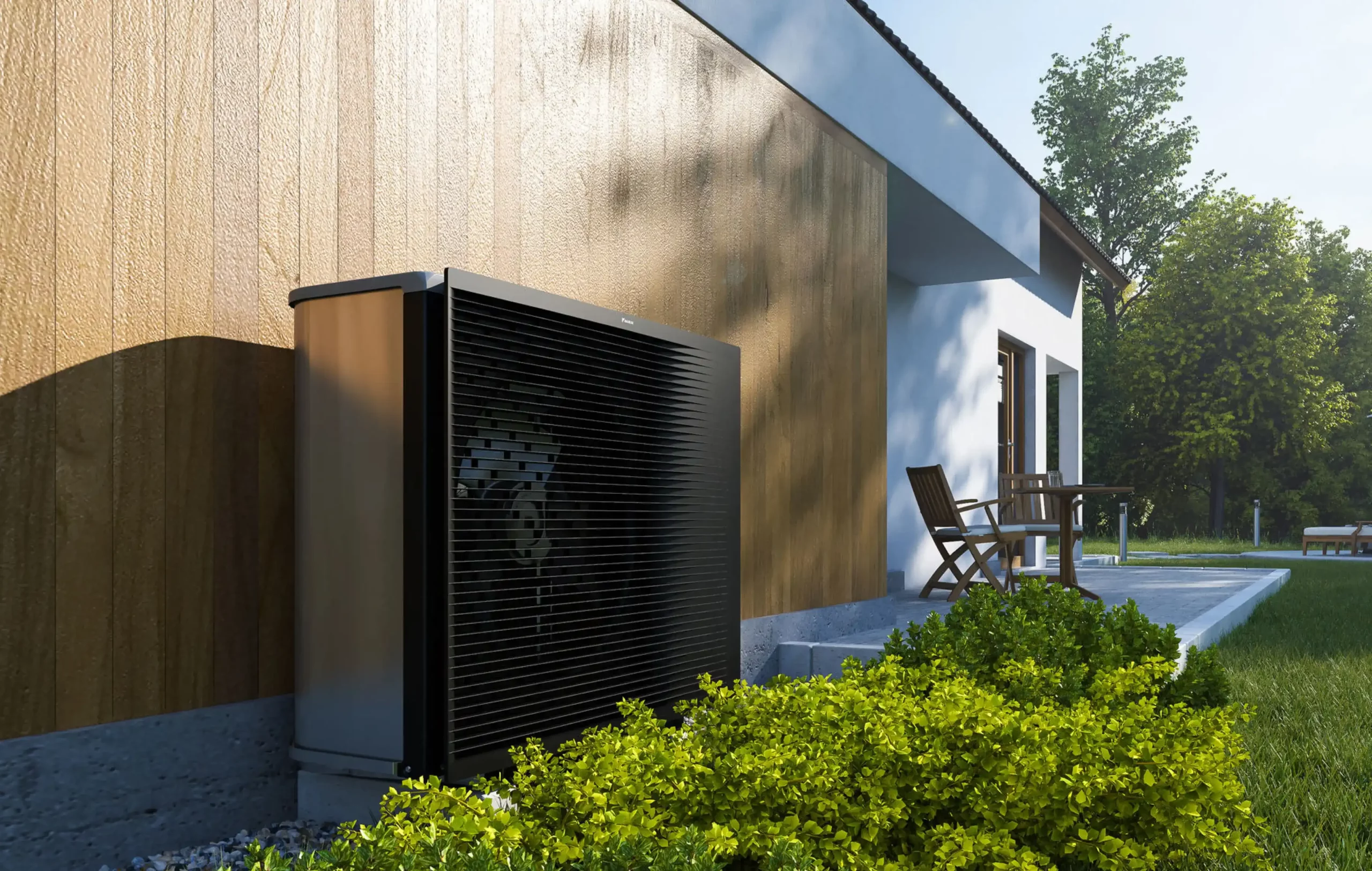
You open the front door, it’s cold outside, and you expect a comfortably warm home. But today your heat pump has taken a break. Not because you set it that way, but because your energy supplier decided the electricity grid was under heavy load. With services such as Smart Heating, energy suppliers remotely control heat pumps for customers with a dynamic energy contract. Frank Energie is the first to roll this out on a large scale, and other suppliers are already being mentioned as followers.
That raises the big question: is this a smart way to save money and relieve pressure on the grid, or are you giving up control over your own home?
Why energy suppliers want access to your heat pump
In large parts of the Netherlands, grid congestion is a real issue, especially on cold days when everyone is heating, charging, and cooking at the same time. Heat pumps then consume a lot of electricity precisely at those peak moments. At the same time, the government wants households to switch en masse to electric heating to reduce emissions. That creates friction.
Energy suppliers see an opportunity here. If they can intelligently control heat pumps and other large consumers for a few hours a day, they can flatten demand peaks. During expensive and busy hours, the heat pump is briefly paused or started a little later. During cheaper hours, it is allowed to run harder. This lowers their purchasing costs, relieves pressure on the grid, and allows customers to share in the benefits. For an average household with a heat pump, Frank Energie estimates savings of around €250 per year.
How much control do you really give up?
An important point: these services currently only work for people with a dynamic energy contract who consciously opt in. No opt-in, no control. Your heat pump is not managed behind your back if you don’t want it to be.
If you do participate, you set in an app how much the temperature is allowed to deviate from your normal setting. Communication around Smart Heating mentions a maximum deviation of roughly three degrees. The more flexibility you allow, the greater your potential savings. During expensive hours, the supplier may briefly pause the heat pump or lower its output slightly, to compensate later. According to Frank Energie, this is about smartly shifting moments, not about structurally living in a cold house.
There are also clear boundaries when it comes to privacy. The supplier does not need to know the exact temperature in your living room, only the margin you allow around your own set temperature and the consumption pattern of your home. The actual measurement data from sensors and thermostats generally remains within your own systems.
When does smart control work well—and when doesn’t it?
A well-insulated home with a properly sized heat pump is very suitable for this type of smart control. Your home then acts as a kind of thermal buffer. If the heat pump runs half an hour earlier or later, the indoor temperature stays within acceptable limits and you often barely notice it. Especially if you have underfloor heating or other low-temperature heating, the system is slow but very stable.
In a poorly insulated home, the situation is different. If your house cools down quickly, you notice temperature differences much faster, and a three-degree deviation can quickly become a significant loss of comfort. In that case, you either need to allow less flexibility in the app or first invest in insulation before letting your heat pump participate as a flexible player on the grid.
Your personal preference also matters. Some people find even a few tenths of a degree annoying, while others don’t mind fluctuations between 19 and 21 degrees as long as the bill goes down. Smart heating only works well when the technology, the home, and the occupant are properly aligned.
What does this mean for choosing a heat pump?
If you’re still exploring your options for a heat pump, this is exactly the moment to look beyond just capacity and brand. With the rise of dynamic contracts and smart control, your heat pump will soon play an active role in the energy system. You want it to be ready for that.
This involves questions such as whether your installation can operate efficiently at low temperatures, whether there is sufficient water volume or buffer capacity, and whether the control system is open enough to connect with apps and energy services. A properly configured installation that already runs comfortably and efficiently is the best foundation for future smart control.
The business case for heat pumps is also changing. Right now, you mainly earn back your investment through lower energy costs and ISDE subsidies. Those subsidies will be scaled back in the coming years and increasingly focused on larger and more efficient systems. Smart services like Smart Heating can help bridge part of that gap by generating additional value from the flexible use of your installation.
How we look at this at DLE
At DLE, we don’t see smart control as an afterthought, but as something you should already account for from the very first advice. We design heat pump systems so they are comfortable and efficient today and can participate intelligently later without major adjustments. Think proper sizing, low supply temperatures, underfloor heating where possible, and control systems that are ready to connect with dynamic tariffs.
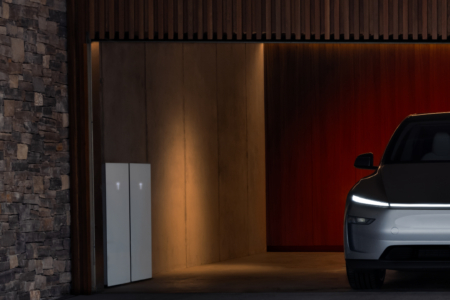
We don’t just look at the heat pump itself, but at the entire energy system in the home. A heat pump becomes even more powerful in combination with solar panels and, where appropriate, home batteries such as the Tesla Powerwall. This ensures your home is not only comfortable today, but also prepared for a future in which devices increasingly communicate intelligently with each other and with the grid.
Ready for a heat pump that’s prepared for smart heating?
The trend is clear. Energy suppliers will increasingly use smart control for heat pumps and other devices. This creates opportunities to further reduce your energy bill and contribute to a more stable electricity grid—provided you remain in control yourself.
If you’re considering a heat pump or are about to replace an outdated gas boiler, now is the moment to do it right from the start. With a heat pump and installation that are prepared for smart control, you benefit today from comfort and lower costs, while keeping all options open for dynamic contracts and services like Smart Heating in the future.
If you want to know which heat pump suits your home and how you can have it smartly controlled without sacrificing comfort, we at DLE are happy to think along with you.
Telephone consultation



Related articles
You might find these interesting as well
Up to €900 Discount on a Tesla Powerwall 3: How to Benefit Right Now
Posted on 26 January 2026 by DLE redactie
Your solar panels do their job during the day, but in the evening you’re running the washing machine, cooking electrically, and maybe charging your car. Result: you feed cheap power back to the …

Subsidy for a home battery in Flevoland: how to get up to €1,250 in benefits from your battery
Posted on 26 January 2026 by DLE redactie
If you live in the Dutch province of Flevoland and are considering a home battery, 2026 is a relevant year. From 12 January 2026, the Province of Flevoland offers a regional subsidy for home …

Subsidies in 2026: how to get the most out of heat pumps and home batteries
Posted on 26 January 2026 by DLE redactie
You want to make your home in the Netherlands more sustainable. Less dependent on gas and the electricity grid, lower monthly energy costs, and a property that’s prepared for the years ahead. But …