
DLE blog
Subsidies in 2026: how to get the most out of heat pumps and home batteries
Posted on 26 January 2026 by DLE redactie
You want to make your home in the Netherlands more sustainable. Less dependent on gas and the electricity grid, lower monthly energy costs, and a property that’s prepared for the years ahead. But once you start looking into Dutch heat pump subsidies for 2026 or incentives for home batteries, it quickly becomes complex. Rules change, amounts are adjusted, and not every scheme applies automatically to every situation.
At DLE, we see that many homeowners in the Netherlands only realise too late that they have missed out on available subsidies. Not because they were ineligible, but because they did not verify the options in advance. In 2026, several Dutch subsidy schemes are still available, provided they are applied correctly and on time.
Why subsidies still make a difference in 2026
The Dutch government is increasingly focused on structural sustainability. No more isolated measures, but solutions that demonstrably reduce gas consumption and use electricity more intelligently. You can see that reflected in subsidy schemes. They still exist, but they’ve become more selective and more technical.
For homeowners, that means one thing: starting a sustainability project without first checking which scheme fits your home and plans is asking for disappointment later. Especially with heat pumps and home batteries, the order of decisions is crucial.
Heat pump subsidies in 2026
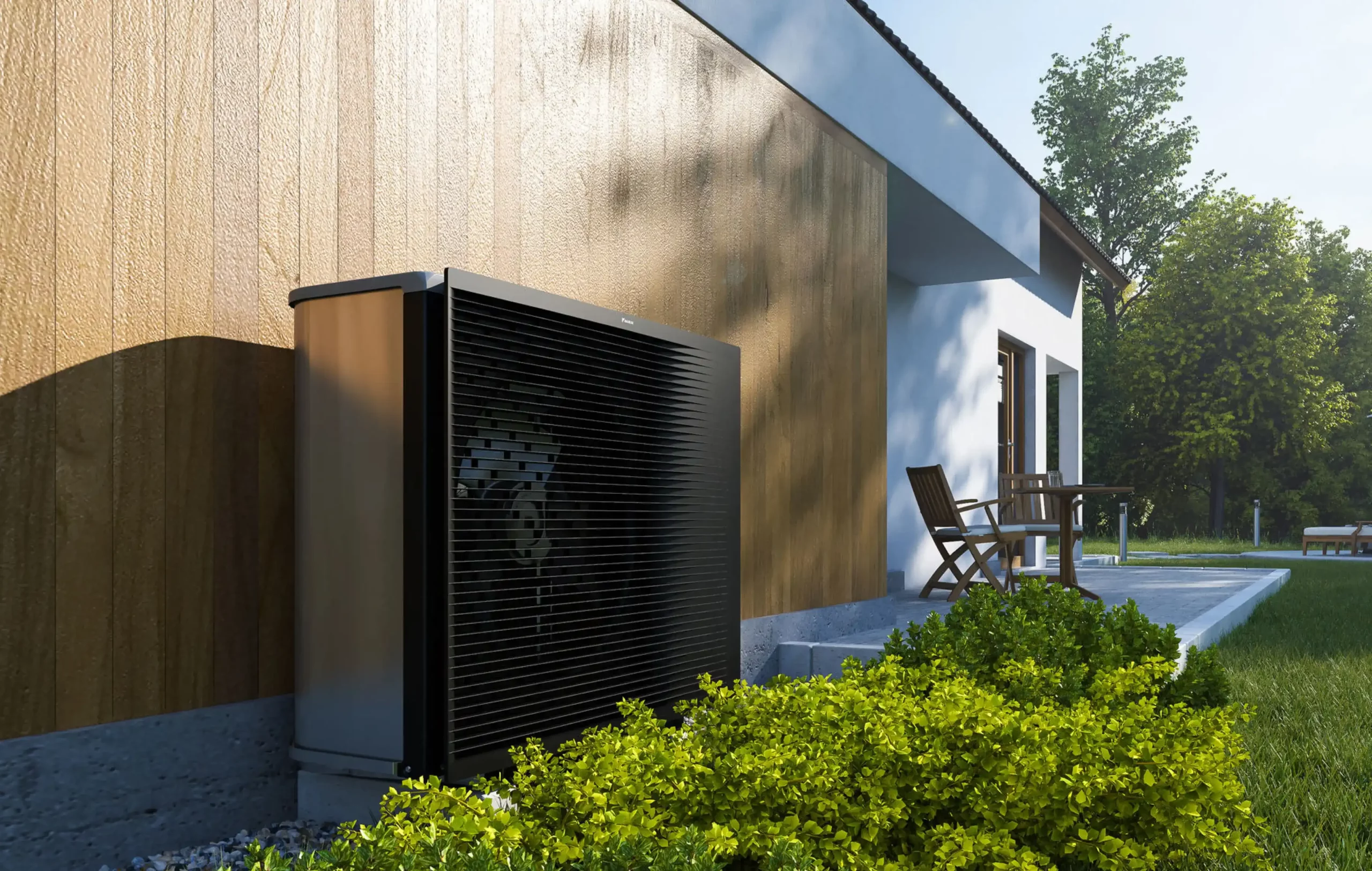
The main subsidy scheme for heat pumps remains the ISDE in 2026. This subsidy is intended for homeowners who want to heat their home partly or fully with electricity. Both hybrid heat pumps and fully electric heat pumps qualify, provided they meet the technical requirements.
How much subsidy is available in 2026?
The subsidy amount depends on the type of heat pump, its capacity, and—in some cases—the energy label. For air-to-water heat pumps, the calculation has been adjusted for 2026.
For your first air-to-water heat pump, the subsidy consists of:
- €1,025 base amount
- €225 per kW (starting from the first kW)
- €200 energy label bonus
If you install a second or subsequent air-to-water heat pump at the same address, the base amount and energy label bonus no longer apply. In that case, you only receive €225 per kW.
Important: from 2026 onwards, certain split air-to-water heat pumps are no longer eligible for subsidies (refrigerant charge < 3 kg and GWP > 750).
Apply after installation (but check everything beforehand)
You apply for the ISDE subsidy via the Netherlands Enterprise Agency (RVO) after installation, within 24 months. That doesn’t mean you can wait until afterwards to think things through, quite the opposite. Your heat pump must already be listed on the RVO product list and meet all requirements beforehand. If your model isn’t on the list or you deviate from the conditions, you simply won’t receive the subsidy.
Home batteries in 2026: no fixed subsidy, but opportunities remain
Interest in home batteries is growing rapidly. That makes sense: with solar panels and dynamic energy tariffs, local energy storage is becoming increasingly attractive. Still, it’s important to be realistic about subsidies. In 2026, there is still no national subsidy for a home battery as a standalone product.
That doesn’t mean a home battery is financially unattractive. There are other routes. Think of VAT refunds in specific situations, regional subsidies through municipalities, and combinations with solar panels and energy management systems. In some cases, a battery becomes part of a broader sustainability solution that delivers indirect financial benefits.
What we often see is people buying a battery because they feel they “have to act now.” Without a solid plan, however, it’s hard to earn back the investment. A home battery only works optimally if it matches your energy consumption, your solar production, and your future plans—subsidy or not.
Solar panels remain the foundation
In 2026, solar panels remain a logical first step or a core component of the overall system. Not because feeding electricity back into the grid is so attractive, but because self-consumption is becoming increasingly important. When combined with a heat pump and possibly a home battery, you get more value out of every kilowatt-hour you generate yourself.
There is little direct subsidy available for solar panels themselves, but they play a crucial role in the overall calculation. Without proper alignment, you risk ending up with a system that isn’t future-proof.
Key changes in 2026
Subsidies for sustainable home improvements still exist in 2026, but they’ve become more targeted.
Heat pumps (ISDE)
The ISDE subsidy remains available, but the calculation for air-to-water heat pumps has been adjusted. For your first air-to-water heat pump in 2026, the subsidy is:
- €1,025 base amount
- €225 per kW (starting from the first kW)
- €200 energy label bonus
For second or subsequent air-to-water heat pumps at the same address, the base amount and energy label bonus no longer apply. Only €225 per kW remains.
Note: from 2026 onwards, certain split air-to-water heat pumps (refrigerant charge < 3 kg and GWP > 750) are no longer eligible.
Home batteries
There is no national purchase subsidy for home batteries in 2026.
In some cases, VAT refunds may still be possible.
Solar panels
Solar panels remain important, but the focus is shifting: less emphasis on feeding electricity back into the grid, more on increasing self-consumption (for example in combination with a heat pump and smart control).
Check first, invest later
Always perform an additional subsidy check before investing in heat pumps, home batteries, or solar panels. Subsidy schemes change, conditions shift, and what makes sense today may look very different next year.
At DLE, we don’t just look at technology, but also at timing, subsidies, and long-term viability. Sometimes that means it’s better to wait. Sometimes it means you should move now.
If you want to be sure you’re not leaving subsidies on the table in 2026 and that you choose a solution that truly fits your home, we’re happy to think along with you.
Schedule a consultation



Related articles
You might find these interesting as well
Up to €900 Discount on a Tesla Powerwall 3: How to Benefit Right Now
Posted on 26 January 2026 by DLE redactie
Your solar panels do their job during the day, but in the evening you’re running the washing machine, cooking electrically, and maybe charging your car. Result: you feed cheap power back to the …
Smart heating with your heat pump: convenient or are you giving up too much control?
Posted on 26 January 2026 by DLE redactie
You open the front door, it’s cold outside, and you expect a comfortably warm home. But today your heat pump has taken a break. Not because you set it that way, but because your energy supplier …

Subsidy for a home battery in Flevoland: how to get up to €1,250 in benefits from your battery
Posted on 26 January 2026 by DLE redactie
If you live in the Dutch province of Flevoland and are considering a home battery, 2026 is a relevant year. From 12 January 2026, the Province of Flevoland offers a regional subsidy for home …